
30 October 2026
How to bring disconnected training systems together with LMS consolidation
Whether it’s different territories, a history of mergers and acquisitions, or a complex range of training needs within an organisation, there are many ways that workplace training can become fragmented.
It’s common for different parts of an organisation to put in place a training system to meet a specific need. Over time, this develops into a complicated tangle of systems, which brings with it duplication, inconsistencies and unnecessary costs.
The answer is LMS consolidation: untangling the web of legacy systems into a single manageable, efficient training system that serves the entire organisation. Let’s explore how to achieve that.
What is LMS consolidation?
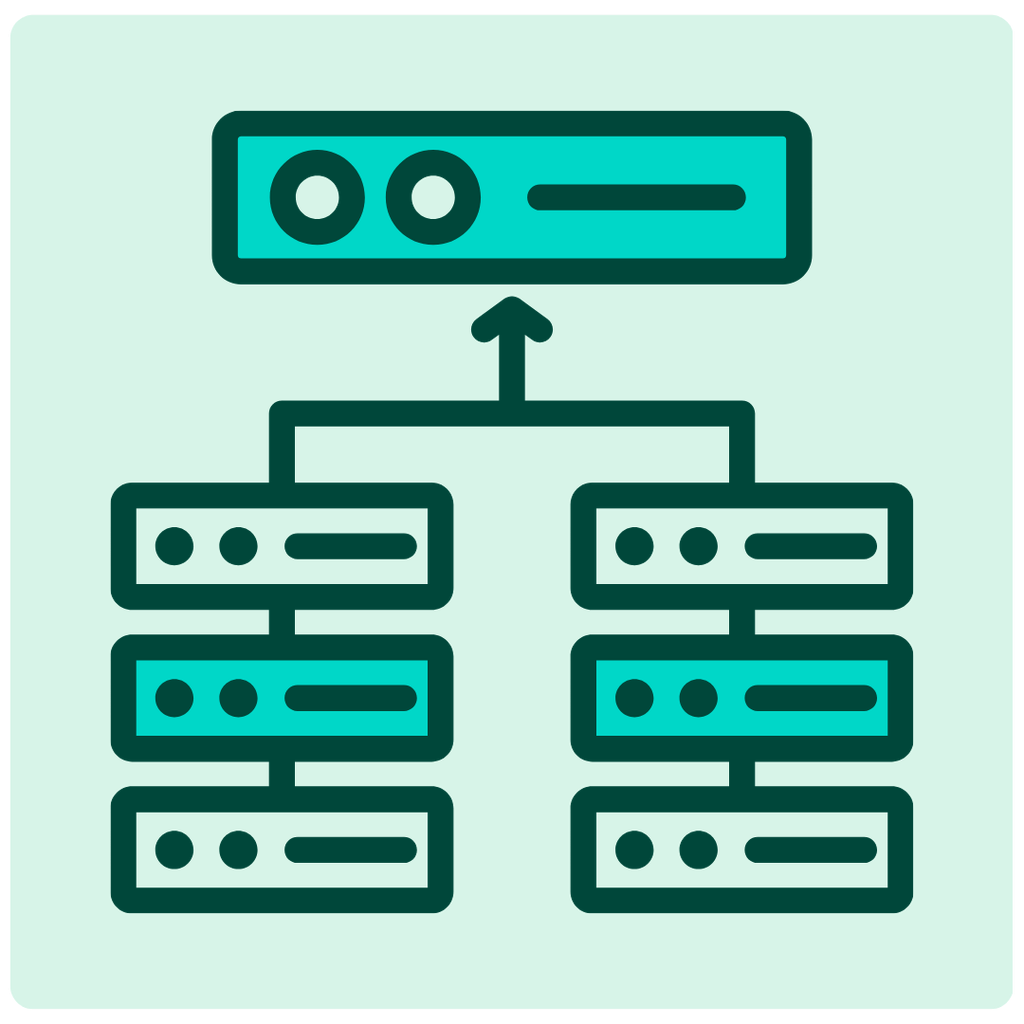
LMS consolidation is the process of bringing fragmented learning management systems and disconnected L&D processes together within a more unified learning environment. Beyond reducing the number of platforms, consolidation brings learning, admin and reporting into a more manageable structure that’s easier to run at scale.
This gives organisations greater visibility and control, while also enabling different teams to retain the learning experiences and permissions they need.
The disadvantages of disconnected training systems
If your organisation is currently running multiple training systems, you will be aware of the difficulties and limitations this can create. These include:
Inconsistent and scattered L&D data
A successful training programme needs reliable data in order to measure its impact and improve its performance over time. This is difficult when data is spread across spreadsheets and systems that offer limited visibility of the organisation as a whole.
Using various systems often results in different metrics being tracked, while combining data from multiple sources creates additional opportunities for human error. As a result, gaps and inconsistencies can undermine the reliability of L&D reporting.
Duplicated admin tasks
When handling user data, reporting and other core L&D tasks, running multiple training systems means much of this workload is replicated across two or more platforms. This duplication wastes time and resources on tasks that could be done more efficiently through a consolidated learning platform.
Complicated migrations and upgrades
Some level of upheaval is to be expected with a migration. But when an organisation is managing a cycle of multiple renewals, upgrades and migrations, the process becomes unnecessarily complicated and potentially overwhelming.
How can you identify fragmented learning?
To identify fragmented learning in your organisation, you need only look for some of the obvious signs. They include:
✳️ Learner records spread across different systems
With multiple learning management systems in use or L&D being managed using spreadsheets, it’s difficult to build an accurate overview of training activities, attendance, course completion and learner performance.
✳️ Laborious manual reporting
Getting the insights you need requires significant admin work, including combining spreadsheets, consolidating data from multiple platforms and running separate reports.
✳️ Duplicated administrative tasks
Work to update user records, courses, enrolments and compliance reporting has to be done more than once across multiple systems.
✳️ Different teams using different processes
Regional offices, divisions or departments are managing training in different ways, creating inconsistent standards, training and data.
How to achieve LMS consolidation
Yes, unpicking a series of training platforms can be complex, but taking a structured approach makes the process easier to manage. Here are the key considerations when consolidating training systems.
Manageable LMS transition
For all the downsides of fragmented training systems, these platforms are often deeply embedded within an organisation. That means a careful transition is needed to untangle this web of legacy systems. A fear or lack of understanding of what that process might entail can lead to inaction, which prolongs the ineffectiveness of the current setup.
We will explore exactly how to achieve a manageable transition, underpinned by a clear business case and implementation plan, below.
Multi-tenancy LMS
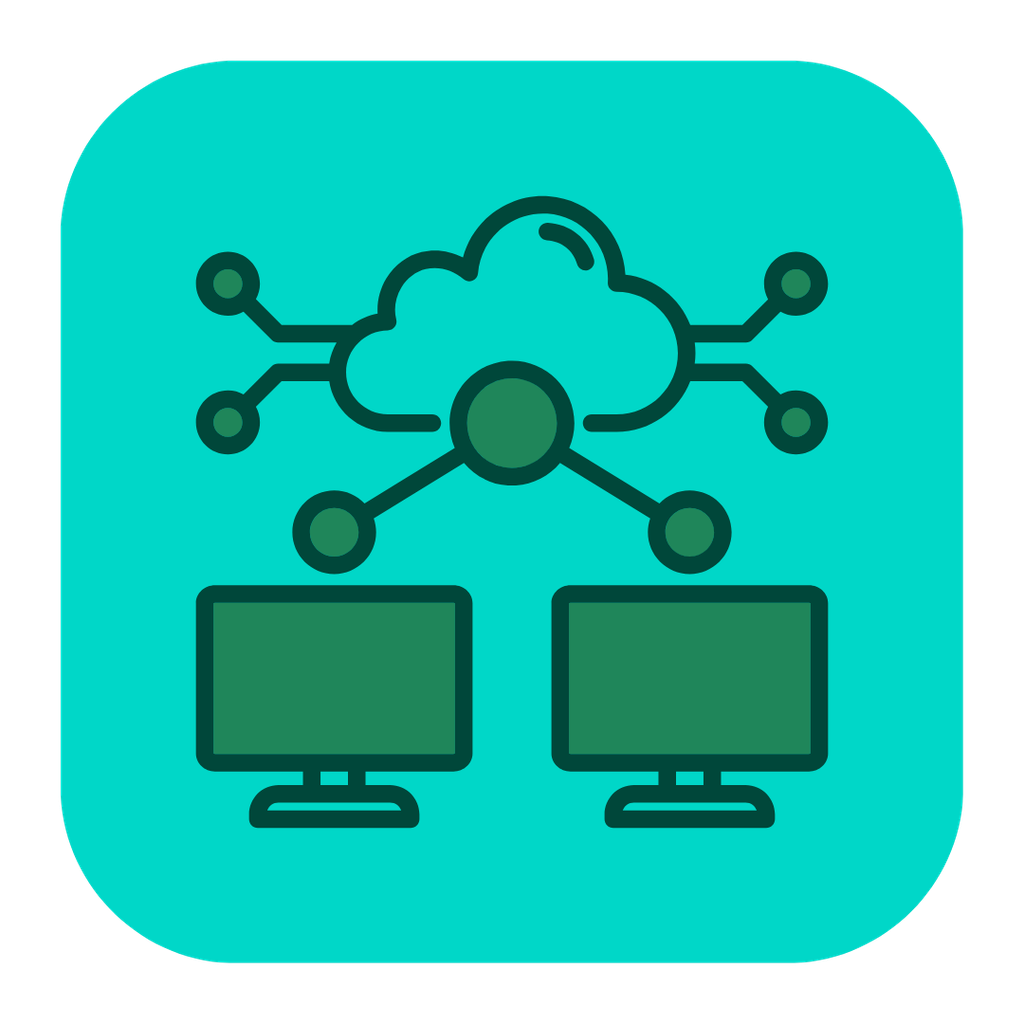
When an organisation has more than one learning platform the answer often, though not always, lies with a multi-tenancy LMS infrastructure. This enables an organisation to create distinct learning environments to meet the needs of different audiences. Crucially, this is achieved through a single LMS installation.
Global children’s development charity Plan International previously ran two Moodle LMS platforms. The two systems were running different Moodle versions and were managed by two different learning partners. Even that infrastructure was struggling to meet the needs of an organisation operating in multiple locations and languages, and with staff operating in a wide range of roles.
By consolidating to a Totara platform with multi-tenancy LMS infrastructure, it brought greater consistency and better monitoring to its training worldwide, while also ensuring learners get personalised learning experiences relevant to their role, language and location.
Customisation and flexibility
Many disconnected and fragmented training systems come about because a particular LMS doesn’t meet the needs of the entire organisation. When an existing LMS lacks the flexibility to meet the needs of a particular department, organisations may introduce additional platforms to fill the gaps.
The answer is to choose a learning management system with the level of customisation, flexibility and scalability to meet the needs of all users across an organisation. In most cases, this will involve looking at an open-source LMS, which is necessarily designed to be flexible and configurable.
The British Institute of Learning Disabilities (Bild) worked with us to bring its fragmented learning platforms together in a single Moodle LMS.
John White, the charity’s Head of Training and Qualifications, explained: “We needed a platform that was fundamentally future-proofed, one capable of meeting our immediate operational needs while scaling alongside us in the years to come.”
Mitigating risk during LMS consolidation
One of the biggest challenges to achieving LMS consolidation is the perceived risk of the transition process. This typically relates to concerns about:
- ✳️ Disruptions to training
- ✳️ Training records and data being lost
- ✳️ User adoption of the new platform
- ✳️ Unexpected migration costs
With a clear business case and a phased implementation plan, these concerns can be addressed and risks mitigated.
Keep essential training running
Avoid unnecessary breaks in onboarding and compliance training by taking a phased approach. This could be moving one system, region or audience at a time, depending on what makes sense for your organisation’s structure.
Protect valuable data
Address how historic records will be handled and which data needs to be kept intact at the outset of the consolidation process. Careful data mapping and validation before migration will ensure all completions, certifications and learning records can be accessed within the new LMS.
Bring people with you
From senior leadership to the various departments within your organisation, it’s important that people understand and support the LMS consolidation process. To do this, involve people early in the process, build an understanding of how and why individual teams use a particular training system, and work to ensure the new LMS meets these needs. You can also offer reassurance about how delegated permissions will give them control over how training is delivered.

Spread the cost and the effort
Plan the phased migration process to align with contract renewals, exit fees and other financial considerations relating to existing platforms. This minimises expenditure and spreads the workload to make migration more manageable.
Step-by-step guide to centralising training
To get your L&D programme fully aligned within a centralised LMS that meets the needs of every part of your organisation, follow these steps.
1. Audit existing learning systems
Identify all the learning platforms in use across your organisation, as well as areas in which spreadsheets or other workarounds are being used. Compile key data for each platform covering:
- ✳️ User numbers
- ✳️ Courses
- ✳️ LMS integrations
- ✳️ Costs
- ✳️ Reporting capabilities
- ✳️ Contractual and licence commitments
Engage with stakeholders to build understanding of how and why different systems are used, and to earn their buy-in for a phased transition process.
2. Build a business case
Define your requirements for an organisation-wide learning platform and build a business case for the new LMS. This should involve:
- ✅ Establishing what needs to improve and how a consolidated LMS would achieve this
- ✅ Defining essential L&D capabilities for your entire organisation
- ✅ Explaining how success will be measured
- ✅ Calculating the potential ROI of a new LMS
3. Choose the best LMS consolidation model
Decide whether a multi-tenant architecture is appropriate for supporting different departments, regions, languages and learner groups within your organisation. Alternatively, establish whether consolidated learning could be delivered effectively within a single-tenant LMS.
4. Find the best LMS for your needs
Based on the essential L&D capabilities and LMS consolidation model you identified, explore viable options on the best LMS to meet your objectives. If you’re unsure where to start or would like help to narrow down your options, book a discovery call with one of our LMS experts.
5. Plan and manage the migration
Create a roadmap for bringing user records, course content, learning data and integrations together on a single platform. This might involve a phased transition to coincide with renewal dates, organisational priorities or other factors.
Your migration plan should cover data mapping and validation, transferring learner records and completion data, and integration testing. It should also confirm any necessary contingencies to support essential training and reporting during the transition period.
6. Measure ROI
Guided by your initial business case, measure the results your new unified LMS achieves. Useful metrics include:
- ✳️ Admin time and resources saved
- ✳️ Platform costs
- ✳️ Compliance rates
- ✳️ New starter time-to-competency
- ✳️ LMS reporting consistency
Benefits of LMS consolidation
Centralising training, reporting and administration within a single LMS has many advantages. These include:
Reduced platform costs
Focusing on one LMS installation immediately removes a wide range of duplicated expenses, including software licences, hosting fees and running costs.
Less administration
A centralised training platform cuts admin workload. It removes duplicated tasks and reduces the effort and expense associated with managing compliance training, compiling reports and updating user data.
Easier automation
A key part of using a consolidated LMS to cut admin is the use of automation to speed up enrolment, learning pathways, course creation and reporting. With a single platform, tasks can be set up once and then delivered automatically as needed.
Streamlined migration and upgrades
The timing and cost of migrations, upgrades and changes to hosting arrangements are critical considerations. It’s far simpler to make good and commercially sound decisions with only one LMS to consider.
Greater control
Bringing multiple learning platforms into a single platform gives greater control to your L&D, HR and IT teams. It gives you the infrastructure to create centralised settings to govern every aspect of how training is delivered and managed across your organisation, and to track that this is happening.
Easier delegation
Conversely, centralised control also enables easier delegation. With a set of clearly defined and controlled parameters, local teams and specific parts of an organisation can be given permissions to manage L&D in ways that make sense for them. This could include meeting legal requirements within a particular jurisdiction.
Improved accessibility
Whether it’s accessibility settings, localised language settings or easier sign-on processes, an organisation-wide LMS is often more accessible than a network of disconnected systems. It’s easier to set and maintain accessibility standards across the LMS, but also to adapt those to suit specific audiences.
Accessibility was another key driver for Bild in its process of LMS consolidation.
“Our previous dual-system setup simply could not provide the fully accessible interface our 600-plus learners required,” said John White. “For an organisation that has spent 50 years championing the rights of people with learning disabilities, prioritising accessibility is non-negotiable.”
Better compliance training
Taken as a whole, removing duplication, increasing automation, creating a single source of truth, delegating to local teams, and centralising overall control and reporting make for a more effective compliance programme.
Single source of truth
Whether it’s user details, learning data or course versions, unifying your L&D programme into one LMS creates a single source of truth for your organisation. This reduces the risk of conflicting or outdated information being used, increases training consistency across different teams and gives learners and managers confidence in the accuracy of their records.
Centralised reporting
With all learning data collated in one place, your L&D team gets invaluable oversight of training activity and performance across the organisation. Crucially, with key metrics based on consistent and measurable data, it becomes easier to compare results and make decisions based on reliable L&D insights.
Ready to consolidate multiple LMS platforms?
Bring your disconnected training systems together in an LMS that supports your organisation’s learners, L&D teams and wider business needs.
Take the first step towards more efficient, effective and consistent training by booking a discovery call with one of our LMS experts to discuss your organisation’s needs and a potential transition process.